/
Marketing Tips
How to Build a Visual Marketing Strategy That Drives Revenue
A step-by-step framework for building a visual marketing strategy that drives engagement, builds brand recognition, and converts followers into customers.
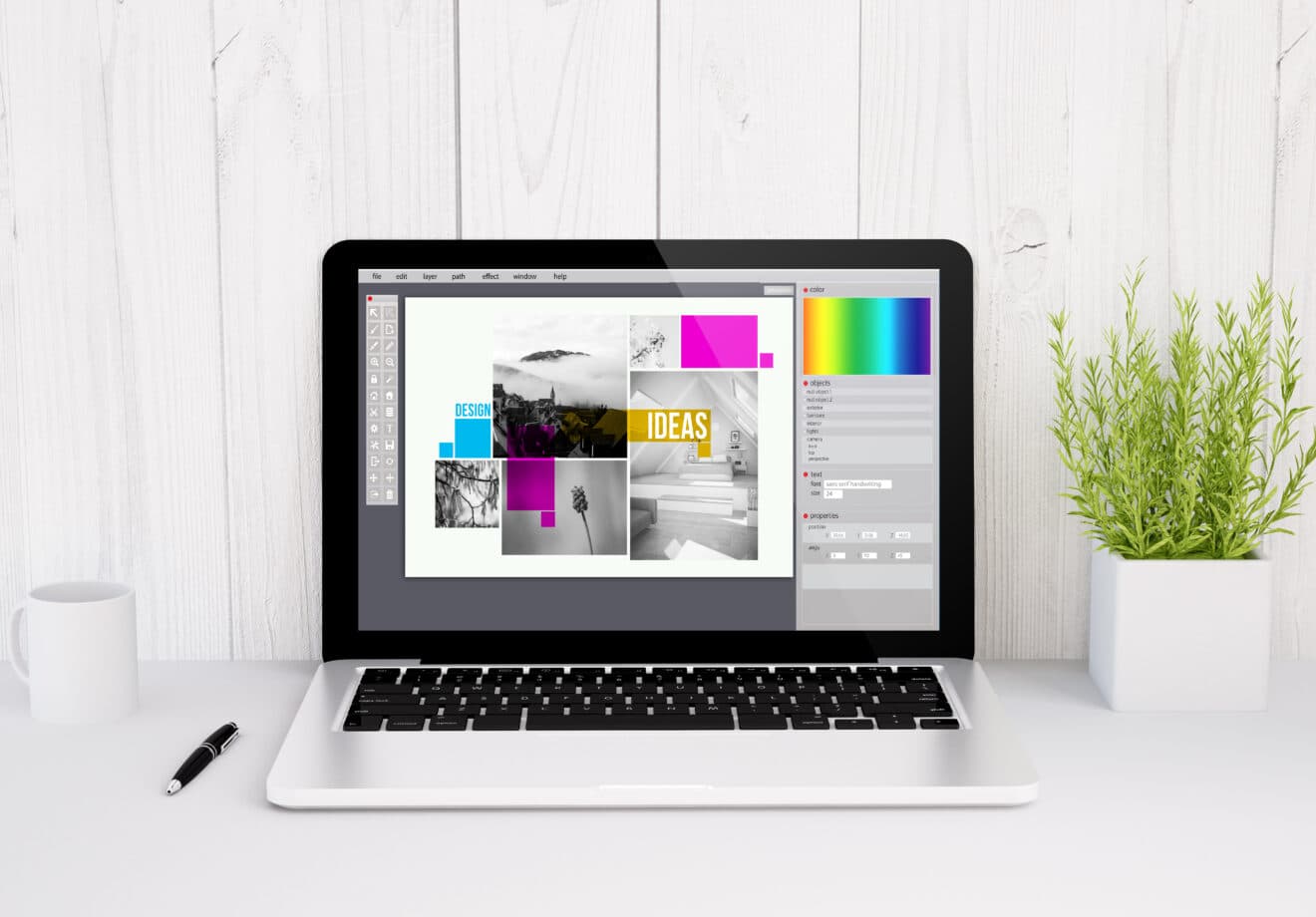
Every scroll, every swipe, every glance at a phone screen is a chance to win or lose a potential customer. Visual marketing is no longer a nice-to-have — it is the single most important factor in whether your small business gets noticed online. Yet most small businesses approach visuals reactively, grabbing stock photos at the last minute or posting whatever their phone camera captured that day.
This guide walks you through building a deliberate, revenue-driving visual marketing strategy from scratch.
Why Visual Marketing Matters More Than Ever
The numbers tell a clear story. Posts with images receive 2.3x more engagement on Facebook than text-only posts. Tweets with visuals are retweeted 150% more often. Product listings with professional imagery convert at rates 30% higher than those with amateur photos.
But here is the insight most businesses miss: consistency matters more than any single image. A business that posts mediocre-but-consistent visuals will outperform one that posts stunning images sporadically. The goal is to build a visual system — not just create one-off images.
Step 1: Define Your Visual Identity
Before you create a single image, answer these questions:
- What are your brand colors? Pick 2-3 primary colors and 1-2 accent colors. Use them everywhere.
- What is your photographic style? Bright and airy? Dark and moody? Warm and rustic?
- What fonts represent your brand? Even if you are not adding text to images, knowing your typography helps maintain consistency across all touchpoints.
- What subjects appear in your imagery? People? Products? Spaces? Abstract patterns?
Document these decisions in a simple brand style guide. It does not need to be elaborate — a one-page document with color hex codes, example images, and a few do/don't rules is enough to keep everything consistent.
If you need help building a professional brand identity, agencies like Heck of a Website specialize in helping small businesses develop cohesive brand strategies that translate across every marketing channel.
Step 2: Map Your Visual Needs by Channel
Different platforms demand different visuals. Here is a practical breakdown:
| Channel | Format | Frequency | Priority |
|---|---|---|---|
| Instagram Feed | 1080×1080 or 1080×1350 | 3-5x/week | High |
| Instagram Stories | 1080×1920 | Daily | High |
| Facebook Ads | 1200×628 or 1080×1080 | Ongoing campaigns | Critical |
| Google Business Profile | 720×720 minimum | Weekly | Medium |
| Website/Blog | 1200×630 (OG) + inline | Per post | Medium |
| Email Marketing | 600×400 hero images | Per send | Medium |
The key insight: you need volume. A single Facebook ad campaign might test 5-10 creative variations. Your Instagram needs 15-20 posts per month. Your Google Business Profile benefits from fresh photos weekly.
This is exactly where AI image generation changes the game. Tools like The Image Generator let you produce professional-quality marketing visuals in seconds, at a fraction of the cost of traditional photography or design.
Step 3: Create a Content Calendar with Visual Themes
Organize your visual content around monthly or weekly themes:
Week 1: Educational content — Tips, how-tos, industry insights. Visual style: clean, informative, text-overlay-friendly backgrounds.
Week 2: Social proof — Customer results, testimonials, case studies. Visual style: authentic, real-world, before/after.
Week 3: Promotional — Sales, offers, new products/services. Visual style: bold, high-contrast, urgency-driven.
Week 4: Brand story — Behind the scenes, team spotlights, company values. Visual style: warm, personal, candid.
This rotation keeps your content fresh while maintaining the consistent visual identity you defined in Step 1.
Step 4: Build a Visual Asset Library
Stop creating images one at a time. Instead, batch-produce visuals in dedicated creation sessions:
- Set aside 2-3 hours per month for visual content creation
- Generate 20-30 base images using AI, covering your themes for the upcoming month
- Organize by category in folders: promotions, educational, lifestyle, seasonal
- Create variations — the same concept in different crops, colors, or compositions
Having a library means you are never scrambling for content. When inspiration strikes or a timely opportunity appears, you already have professional visuals ready to deploy.
Step 5: Optimize for Each Platform
Resizing is not optimization. Each platform has its own visual language:
- Facebook Ads: High contrast, clear focal point, minimal text (stay under 20% text coverage). The image must communicate value in under 2 seconds.
- Instagram: Cohesive grid aesthetic matters. Plan how images look together, not just individually.
- Google Business Profile: Authentic, real-world imagery performs best. Show your actual space, team, and products.
- Email: Hero images should support the message, not replace it. Keep file sizes under 200KB for deliverability.
Step 6: Measure and Iterate
Track these visual marketing metrics monthly:
- Click-through rate by creative — Which images drive the most clicks?
- Engagement rate — Likes, shares, comments per post
- Conversion rate by visual style — Do bright images convert better than dark ones?
- Cost per result in paid campaigns — Which creatives deliver the lowest CPA?
After 3 months, you will have enough data to see patterns. Double down on what works and retire what doesn't.
The Compounding Effect
Visual marketing compounds. Every consistent post builds brand recognition. Every professional image increases perceived value. Every optimized ad creative lowers your cost per acquisition.
The businesses that win are not necessarily the ones with the biggest budgets — they are the ones with the most consistent, strategic visual presence. Whether you build your visuals with AI or work with a full-service marketing team to execute your strategy, the most important step is starting with a plan.
Stop posting random images and start building a visual marketing engine that drives measurable revenue.
Try The Image Generator Free
Create professional marketing visuals with AI. No design skills required. 3 free generations to start.
Start Creating — It's Freevisual marketingmarketing strategysmall business marketingbrand identitycontent calendarsocial media imagesAI marketing
Related Posts
Marketing TipsFeb 15, 2026
Facebook Ad Image Sizes & Best Practices for 2026
Complete guide to Facebook ad image sizes in 2026. News Feed, Stories, Carousel, Marketplace — every dimension you need plus design best practices.

Marketing TipsFeb 12, 2026
10 Tips for Creating Scroll-Stopping Ad Creatives
Learn the 10 proven design principles that make ad creatives impossible to scroll past — from bold contrast to strategic color psychology.